Gardening in north Orange County, California

Monday, March 23, 2020

Theodore Payne "Hummingbird Mix"

A list with photos of the flowers included in the "Hummingbird Mix" seed packet -- "an assortment of annuals, perennials and low shrubs most attractive to hummingbirds, designed to keep hummingbirds in your garden year round" -- from the Theodore Payne Foundation. All images from Wikipedia or Wikimedia Commons.


Sunday, May 19, 2019

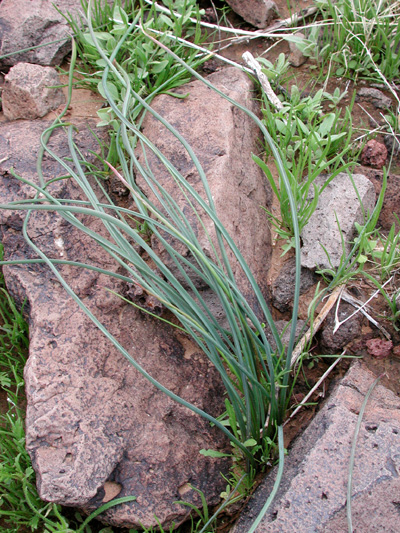
California burclover


Probably most kids in Southern California are familiar with this weed, from having the burrs stuck in their socks after playing outside at recess or lunch (I remember being fascinated by the burr's spiral construction!).  There is rather a lot of it in our front yard this year for some reason, so I decided to look it up.  It is Medicago polymorpha, also known as burr medic, toothed bur clover, and, for some reason, California burclover -- it is not native to California at all, but to the Mediterranean, presumably the reason why it grows so well here.  In lawns it is usually short, most likely because it keeps getting mowed off, but when given its head it is long and sprawling, either along the ground or borne up by nearby plants. 

(Quite a number of online sources remark on its being called "California burclover" while native to the Mediterranean, but none of them wants to even hazard a guess as to why it is associated with California!)

Sunday, February 10, 2019

Theodore Payne "Meadow Mix"

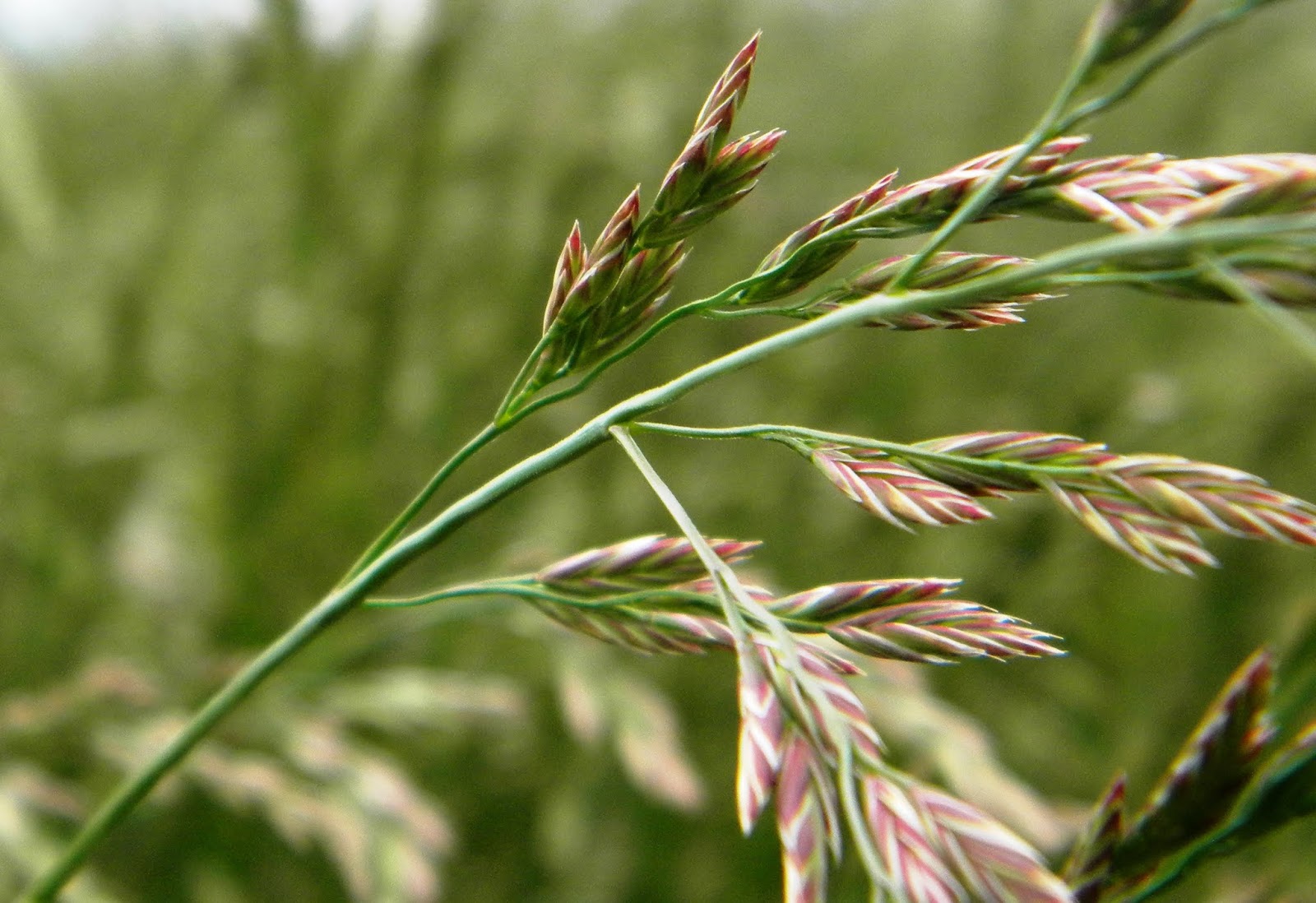
These are the seeds in the "Meadow Mix" seed packet available from the Theodore Payne Foundation --


Tuesday, September 18, 2018

Brown widow egg sac


And the brown widow too, though luckily I didn't know this until after I had taken the photo.

More information here at BugGuide.net and here from the CISR in Riverside.


Wednesday, August 22, 2018

Unidentified mushrooms, possibly agrocybe praecox


Patches of these mushrooms were clustered around the bases of landscape olive trees in Yorba Linda this morning.  I should have put something in the photo for a better idea of scale, or turned over one of the mushrooms!

Agrocybe praecox? or maybe Pholiotina sp.?

Monday, October 24, 2016

Young mushroom


This mushroom popped up in a penstemon I bought at the Fullerton College plant sale a few weeks ago, and was planting yesterday.  The spore print is a little smeared -- the cap dried up and shrank to much less than a quarter of its original size during the time I was taking the print (overnight) -- but is clearly black in color.

Perhaps Coprinopsis friesii or one of the Parasola plicatilis group?

Wednesday, September 21, 2016

Decorated granite moth


Found this little decorated granite moth in the bathroom yesterday morning, very similar to the one I posted a few years ago.  I couldn't quite tell if the coloring of this one is more brown than the other, because there is very little natural light in this bathroom and the bulb makes everything a bit golden.

Thursday, September 15, 2016

Unidentified birds' nests, possibly northern mockingbird?


These nests were built in our large "Duchesse de Brabant" rosebush this past summer.  I knew of one nest, since when I was out working in the garden one day, the alarmed parents worked their "distraction" techniques on me, hopping a few feet away from the rose bush, chirping loudly, hopping away a few feet more, then chirping again.  Later I could see the nest among the canes near the top of the rosebush, which is about six feet high.  I rarely saw any other activity near the nest, though.

A few weeks ago when we were pruning back the plumbago that had thoroughly infiltrated the rosebush, not one but two nests were knocked out.  There was no evidence of eggshells anywhere, and the nests were both full of rose and plumbago litter, so I don't know if either was used at all, or if the clutch had grown up and left the nest already, or even if one of the nests was last year's.

The nests are about 6" in diameter and about 3" deep (16cm x 8cm), and rather scruffy-looking, though in the builders' defense, pine needles are probably just a little too stiff for tidy construction.  The nests are certainly sturdy, as they survived getting thrashed around and knocked out of the rosebush and have been sitting exposed on the deck for a few weeks now.

Maybe a song sparrow or house finch, by the looks of the nests?  Selecting the appropriate criteria at NestWatch retrieves only lesser goldfinch and northern mockingbird, and I'm pretty sure I have never seen goldfinches here, whereas the mockingbird could be the pair I saw, and we certainly have these night-singers in abundance.


These images are all from Wikimedia Commons -- credits are "By DickDaniels (http://carolinabirds.org/) - Own work, CC BY-SA 3.0, https://commons.wikimedia.org/w/index.php?curid=18062292", "By cuatrok77 - NORTHERN MOCKINGBIRDUploaded by Amada44, CC BY 2.0, https://commons.wikimedia.org/w/index.php?curid=25141189", and "By Calibas - Own work, GFDL, https://commons.wikimedia.org/w/index.php?curid=3076875".

Wednesday, September 14, 2016

Praying mantis


I saw this mantis as I was sweeping the driveway this morning -- thought it was a stick my broom had missed and was about to pick it up when it started to walk away!  It was very sluggish and crawled up the leg of this pot instead of flying, but it is a cool and overcast morning, so perhaps the mantis just hasn't warmed up yet.

The mantis is generally a beneficial insect, eating flies, mosquitoes, crickets, aphids, etc., but being a voracious carnivore it will also eat other beneficial insects, including other mantises.

Saturday, September 10, 2016

Brown marmorated stink bug


We caught this in the house this afternoon -- identified it as a brown marmorated stink bug (Halyomorpha halys). Yuck.

Apparently this bug, accidentally imported from Asia in the 1990s, is now a serious pest, with a website with some pretty big names attached to it dedicated to controlling it. More advice from Penn State is found here.  The bugs feed on soft-skinned fruits such as apples, peaches, grapes, etc. disfiguring the crops and making them unsellable, and the stinky secretion they produce when threatened can cause allergic reactions in humans.

Saturday, July 25, 2015

False parasol mushroom


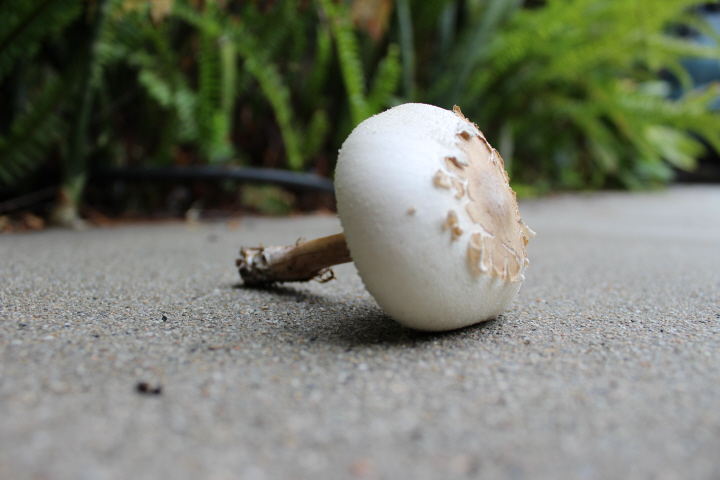
The false parasol (Chlorophyllum molybdites) is a very common and very toxic mushroom, often found in Southern California lawns.  Because its appearance is similar to the edible parasol mushroom, and because it is so often found in lawns, it is one of the most commonly-consumed poisonous mushrooms in North America. Apparently it will not kill you if eaten, but will make you very uncomfortably sick, with vomiting and diarrhea, so is best avoided altogether.

Interestingly, when I picked the mushroom, it looked like this,


and by the next morning the cap had opened and spread to this,


The brown scales had also begun to flake off -- it often looks like this while growing.

The ruler I used was not the best for this lighting, obviously -- this particular mushroom is about 4 inches (10cm) long, but can be found larger or smaller.


A distinctive characteristic of the false parasol is the greenish spores, which are beginning to be apparent in the photo, and came out quite clearly in the spore print I made -- the name "chlorophyllum" comes from the Latin chloro, green, + phyllum, gills.


For further reference, and other pictures to help you identify this toxic mushroom, see the Wikipedia article "Chlorophyllum molybdites", Tom Volk's "Fungus of the month" for August 1999, the C. molybdites pages at California Fungi and Urban Mushrooms.